Progress MonoRoll
- Vibration-free, near-silent operation
- Excellent quality at low die speeds
- 30% higher capacity, same energy
View details
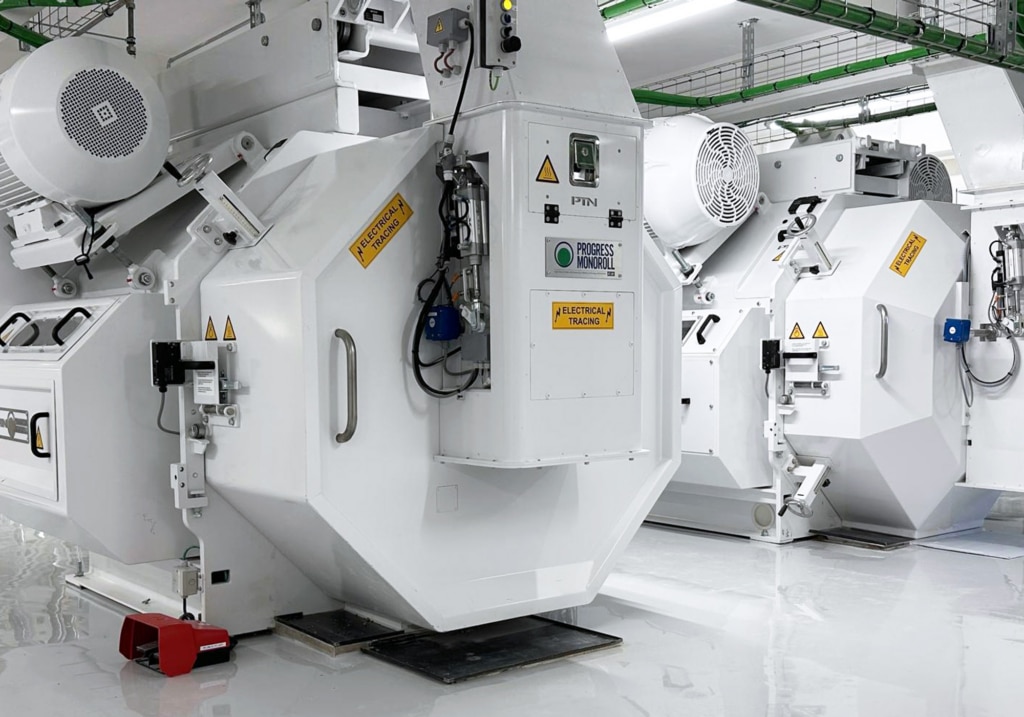
Two Ottevanger pellet mills operating side by side at Ceres in Brussels: a MonoRoll 850 and a conventional two-roller Progress 850, enabling direct performance comparison under the same production conditions.
| Country: | Belgium |
| Type: | Machinery |
| Industry: | Grain Processing |
| Process: | Pelleting |
| Year: | 2026 |
| Website: | ceres.be |
Two pelleting technologies operating side by side
Ceres BG Milling Group in Brussels installed two Ottevanger pellet mills within its production facility: a MonoRoll 850 and a conventional Progress 850 with two rollers. Each pellet mill is equipped with its own conditioner.
Installing both technologies at the same production site provides a valuable opportunity to compare their performance under the same daily operating conditions. While the conventional Progress 850 uses a two-roller configuration, the MonoRoll 850 applies Ottevanger’s single-roller pelleting concept.
The MonoRoll technology is designed to reduce roller slip and improve energy efficiency while maintaining stable production and consistent product quality. Its operation alongside a conventional Progress 850 provides practical insight into the differences between the two pelleting configurations.
Initial measurements at Ceres are encouraging, with the MonoRoll showing energy savings of more than 25% compared with the conventional press. As these are early operating results, continued measurements will provide further insight into performance under production conditions.
The installation demonstrates how established pelleting technology and the MonoRoll concept can operate side by side within an industrial milling environment.


Ottevanger delivered a new grinding and mixing line for Agrifirm’s feed mill in Drachten, supporting the expansion and modernisation of its cattle feed production.
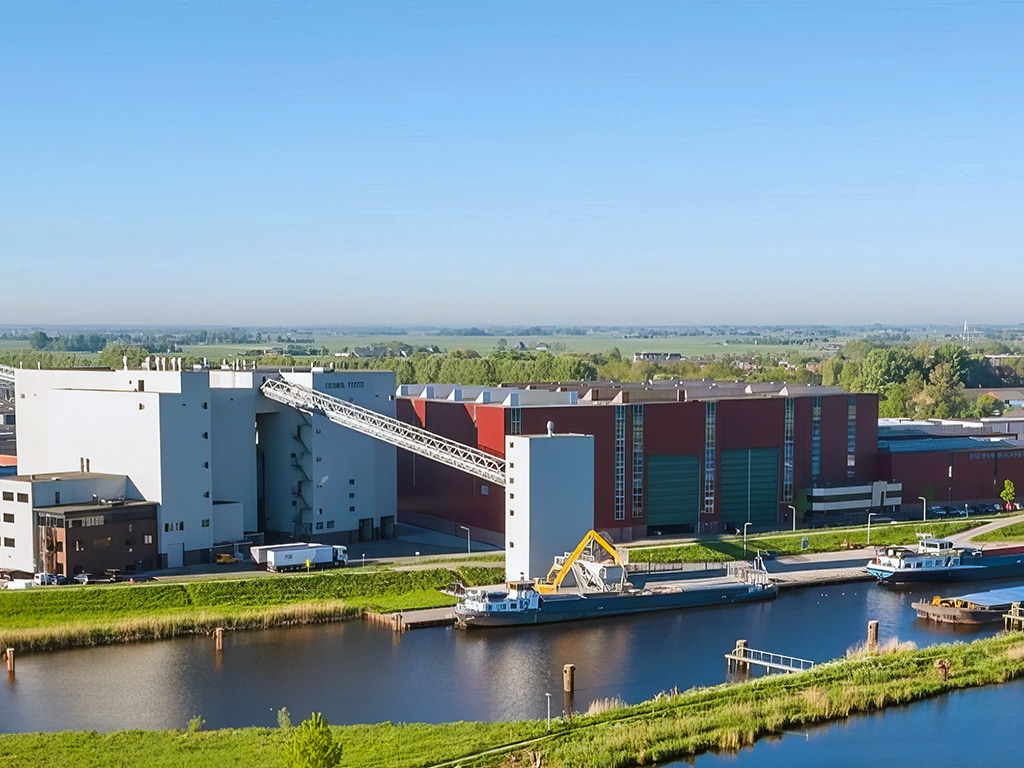
Ottevanger delivered Fuite’s fourth feed mill in Genemuiden, featuring a 15 t/h grinding, mixing and pelleting line alongside a 10 t/h flaking line.
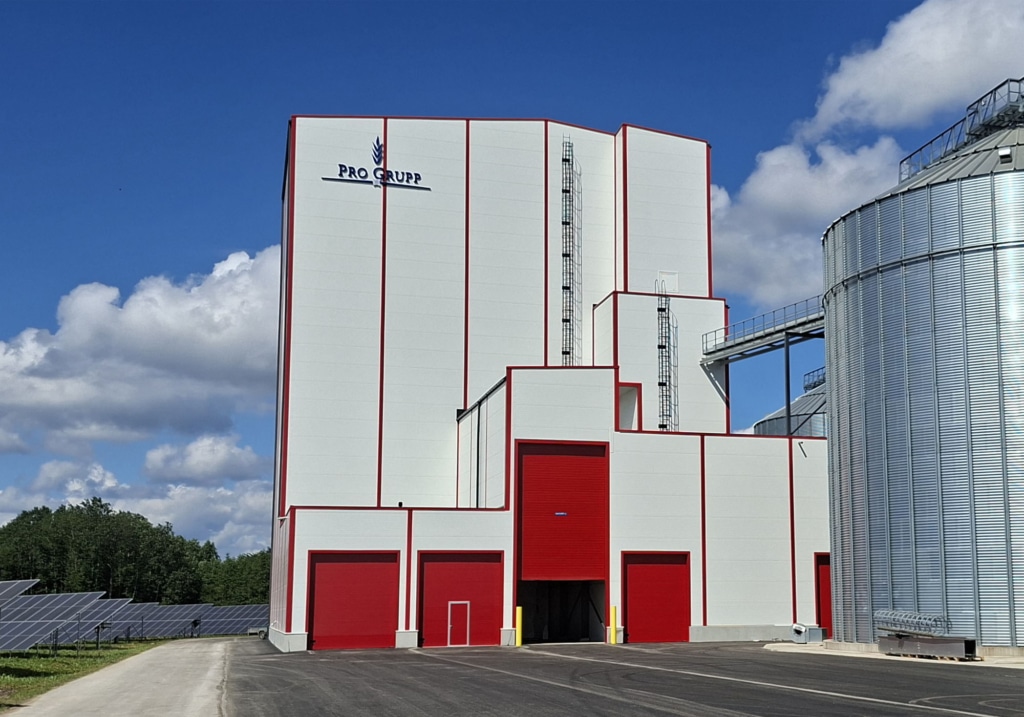
Pro Grupp’s 30 t/h multi-species feed mill in Estonia features two independent production lines for flexible pig, ruminant and poultry feed production.
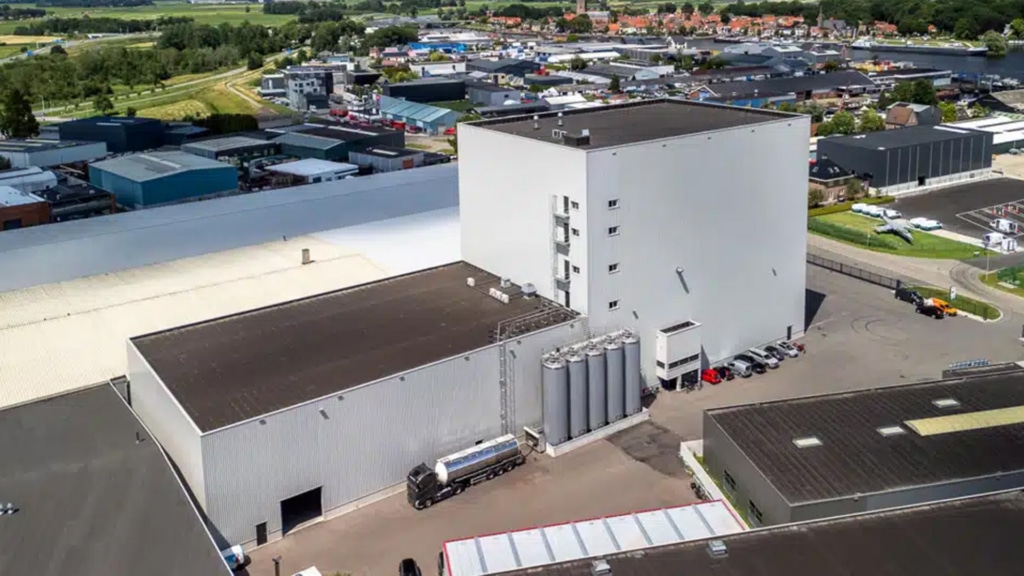
Solprovit’s production facility in Hasselt combines precise dosing, advanced automation and integrated storage for specialised premixes and concentrates.
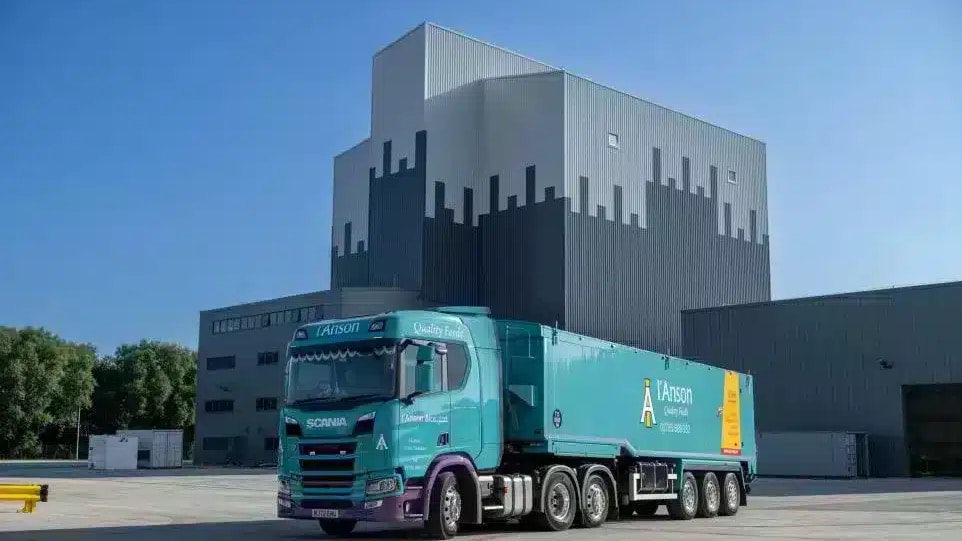
I'Anson’s new compound feed mill in North Yorkshire features two independent 30 t/h production lines for cattle and poultry feed, with integrated automation and room for future expansion.

Rothkötter’s 60 t/h compound feed mill at Haren-Eurohafen was built by Ottevanger as the company’s second feed production facility and commissioned in 2009.

Rothkötter’s feed mill in Boizenburg produces 250,000 tonnes of poultry feed per year, with two 22 t/h pelleting lines and provision for future expansion.
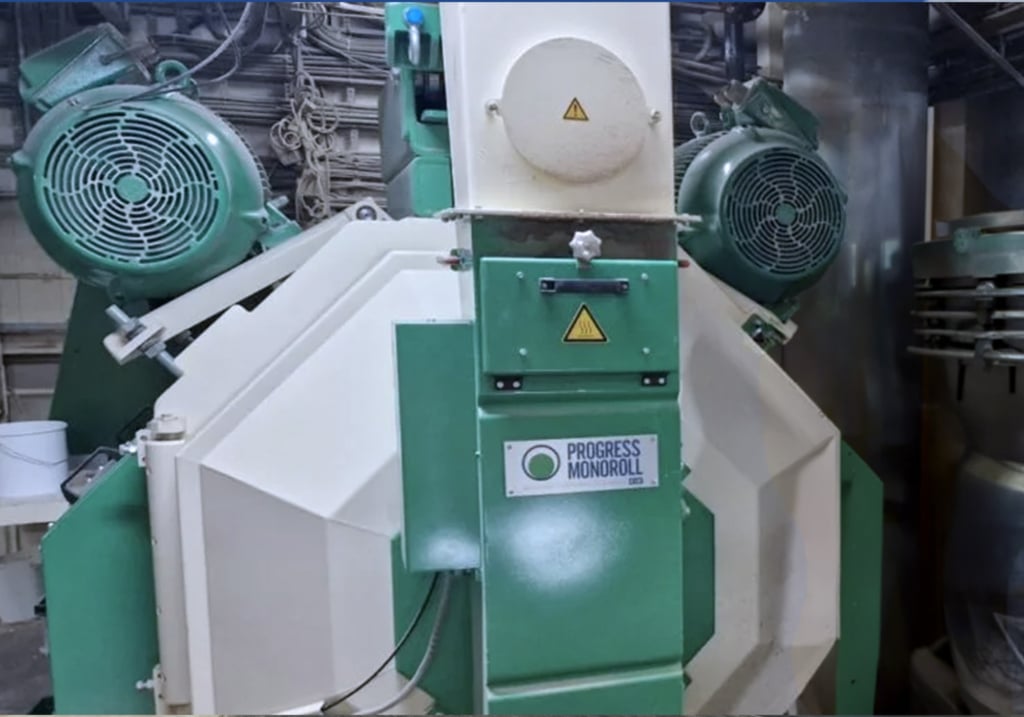
AgruniekRijnvallei installed a second MonoRoll pellet mill in Lienden, reducing energy consumption while improving pellet quality for cattle and horse feed.
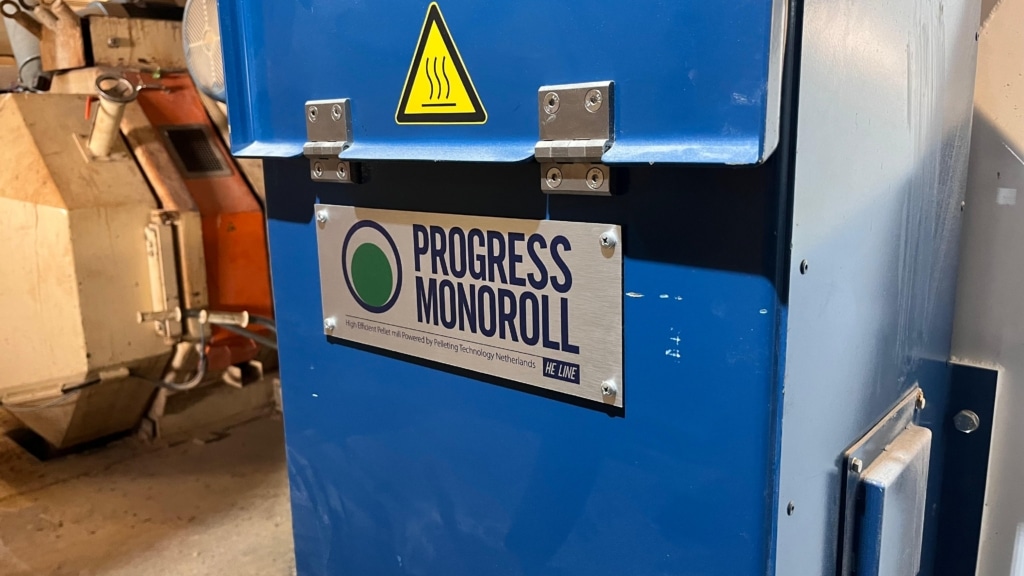
Raiffeisen Ems-Vechte upgraded its pelleting line with MonoRoll technology, pre-compaction and double conditioning to improve efficiency and throughput.

Klaremelk’s 20 t/h feed production facility in Speuld combines precise dosing, mixing and automation for specialised young ruminant nutrition.

BFB plus Kft.’s feed production facility in Hungary combines precise dosing, mixing, coating and automated handling for bird and rodent feed.
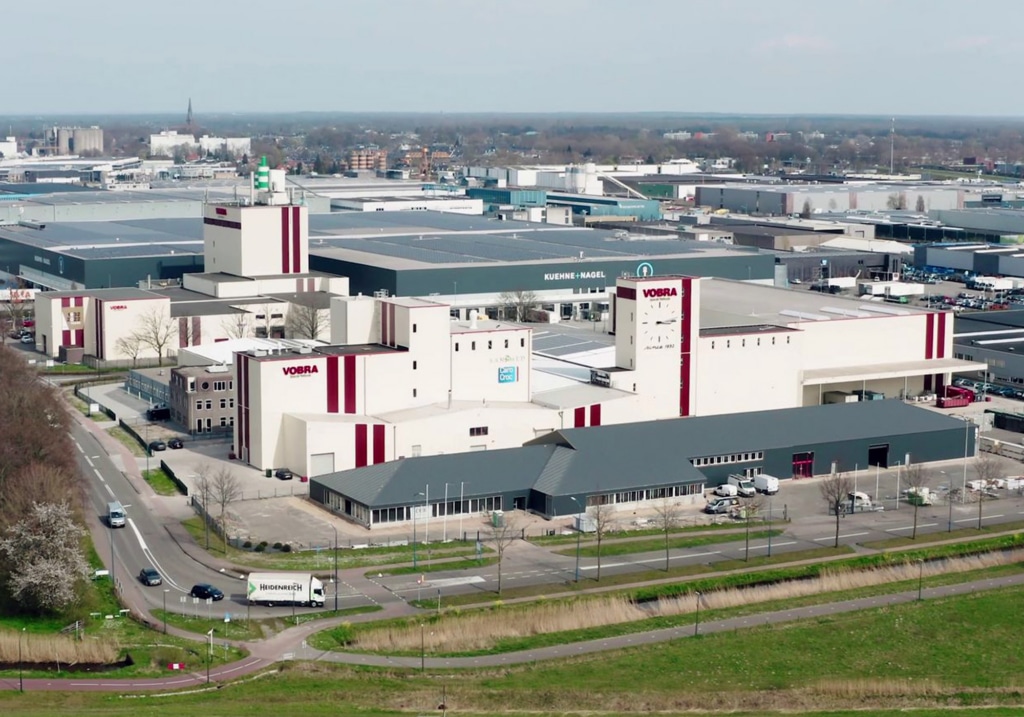
Vobra’s 10 t/h pet food production facility in the Netherlands is designed for flexible recipes, advanced dosing, automation and future expansion

Gsellmann’s 30 t/h organic feed mill in Austria combines dedicated organic production with hygienic processing, advanced automation and strict separation of raw materials.
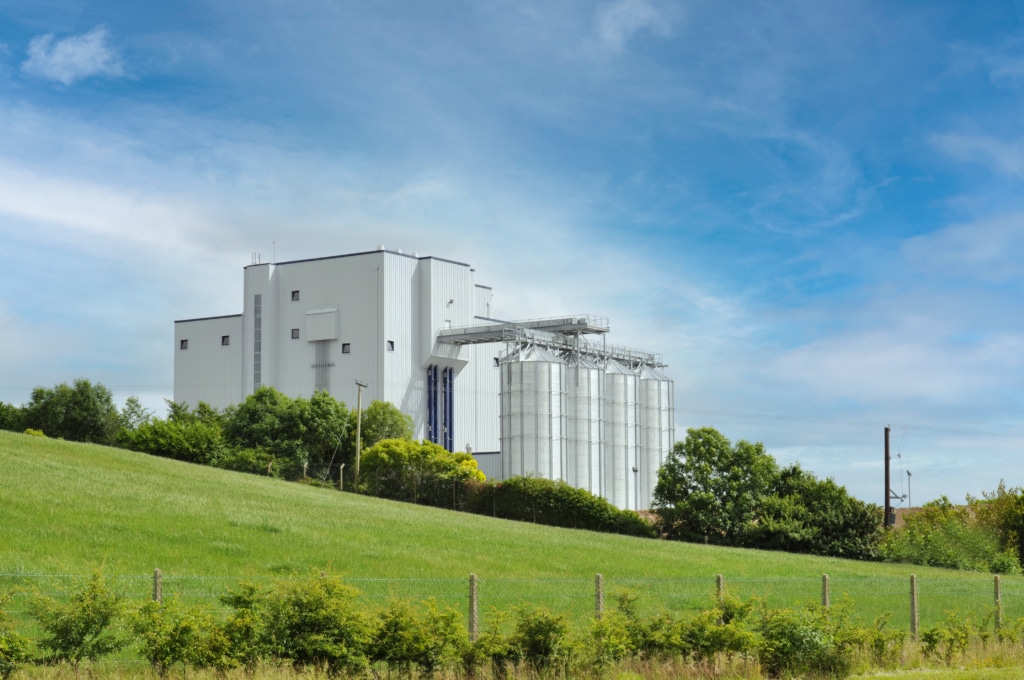
A versatile 60 t/h feed mill in Northern Ireland providing high‑quality animal feed for Fane Valley Group’s customers.

Berntsen Diervoeders improved its production with five precise liquid dosing systems from Ottevanger.

An Ottevanger steam dosing system is installed on the conditioner to ensure optimal conditioning of the mash before pelleting.
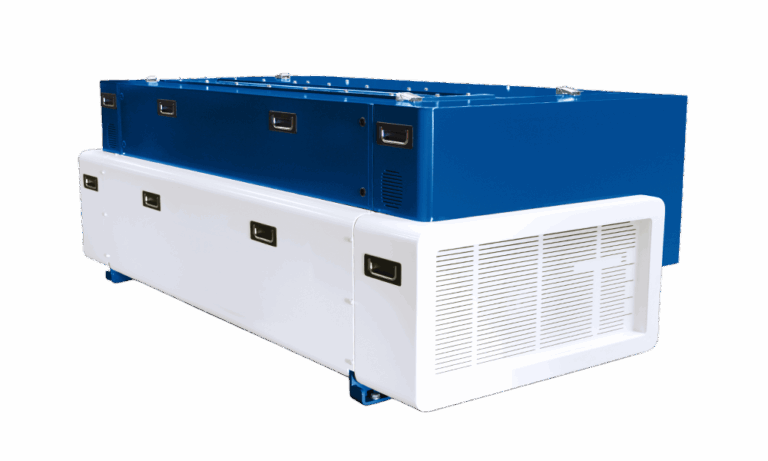


The Progress MonoRoll is Ottevangers most stable and energy-efficient pellet mill, proven through extensive field testing and independent evaluations by IFF and Zetadec. Ultimately, the Progress MonoRoll offers the potential to produce with a much higher capacity and more output, but with a lower input of energy and labour.