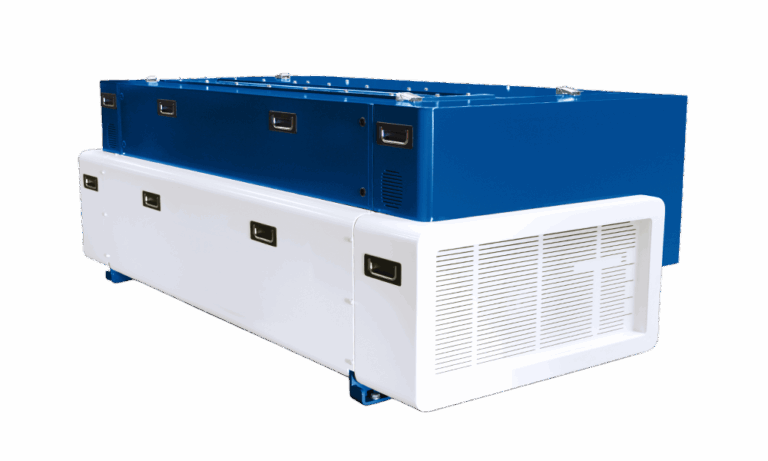
Émietteur (Crumbler)
- Rouleaux entraînés indépendamment pour un contrôle précis
- Réglage des rouleaux à distance (optionnel)
- Accès facile pour le nettoyage et la maintenance
Voir les détails


A pelleting installation in Iowa, integrating two press lines with conditioning, cooling, sieving and precise steam control into an existing feed mill.
| Country: | United States |
| Capacity: | 30 t/h + 10 t/h |
| Type: | Machinery |
| Industry: | Compound Feed |
| Process: | Pelleting |
| Year: | 2024 |
| Website: | hullcoop.com |

Advanced pelleting integration in Iowa
Hull Coop expanded its feed production capabilities in Iowa, United States, with two pelleting lines integrated into its existing feed mill. The lines have capacities of 30 t/h and 10 t/h, providing additional production capacity while making use of the existing plant infrastructure.
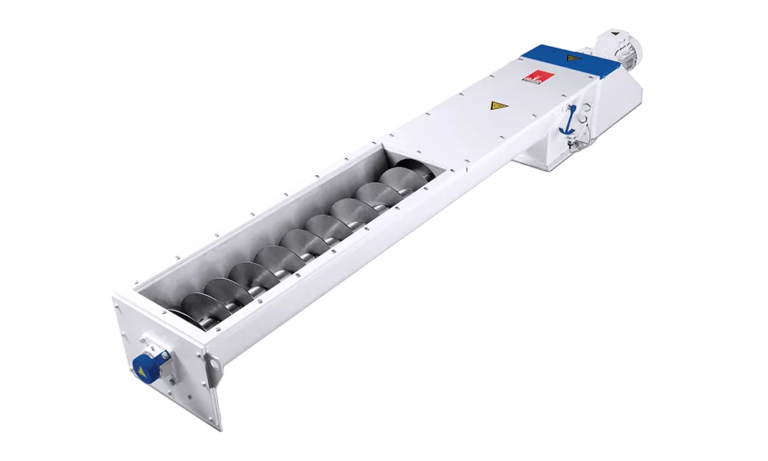
The project incorporates conditioning and pelleting technology alongside the equipment required for controlled product handling throughout the process. The installation includes Twin Conditioners, Progress Pellet Mills and a Crumbler, together with feeder screws, counterflow coolers and Cryloc pellet sieves. One of the lines features the MonoRoll pellet mill, developed to reduce energy consumption during pelleting while maintaining consistent pellet production.
Precise steam control supports the conditioning process through steam flow measurement and regulation systems. Together with controlled cooling and sieving after pelleting, this creates an integrated process from conditioning through to the finished pellets.
The installation was commissioned by Ottevanger-Anderson USA in cooperation with Hull Coop. By integrating the new pelleting capacity into the existing feed mill, the project provided Hull Coop with additional capacity and an integrated setup for conditioning, pelleting, cooling, sieving and process control.


La Progress MonoRoll est la presse à granulés la plus stable et la plus économe en énergie d’Ottevanger, validée par des essais approfondis sur le terrain et des évaluations indépendantes de l’IFF et de Zetadec. Elle offre un potentiel de production nettement supérieur, avec un rendement accru tout en réduisant la consommation d’énergie et la main-d’œuvre.